Want to get some inside information on how wigs are made?
If you’re starting on your quest or already on a journey with human hair wigs, this is one article you won’t want to miss. Here we discover the three big considerations when a wig is being made and what wig developers look for when creating their styles.
But before delving into the inside information, we do want to mention this. When it comes to choosing a human hair wig, it is going to be a combination and consideration of quite a few factors. We highly recommend having a wig consultation with a specialist for this reason. Having a specialist show you through all the factors will help establish what type of wig structure, density and type of hair will be the best fit for your desired end result.

WIG DENSITY
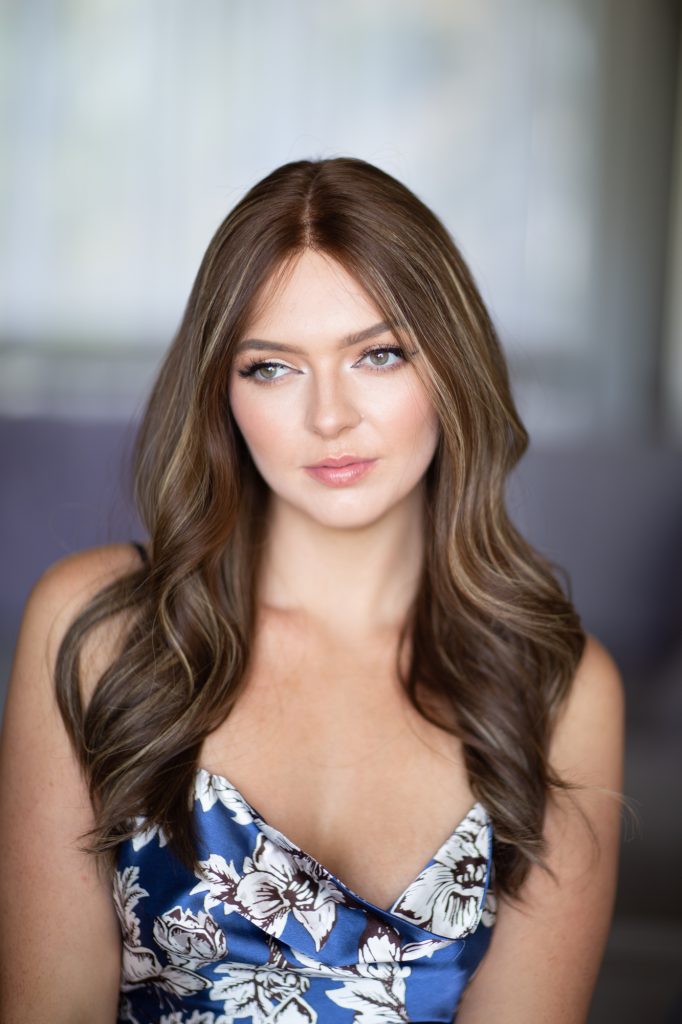
Wig density is measured in percentages with lower numbers meaning less hair. Literally wig density means how thick or thin the hair is on the cap
Low Density (60% to 100%)
- Thin and light weight
- Gives the impression of less hair, not wig like at all.
Medium Density (130%)
- Standard natural thickness
- Mimics an average head of hair
Full Density (150%)
- Slightly thicker than average hair, has extra volume
- Can look a bit ‘wiggy’
Heavy Density (180% to 200%+)
- Thick and dramatic volume
- Best for long hair, big curls, or glam looks
• • Not recommended for a natural result
TYPES OF HUMAN HAIR AVAILABLE
There are six main categories for commercial human hair and each one has its own pros and cons. Wherever possible, we like to recommend the European Hair as being the best for natural looking results. It is extremely important that you insist on REMY hair, as without the cuticles running the same direction, your wig will not last long and become knotted very easily.
- Virgin Hair: Unprocessed human hair. Virgin Hair is when the hair has been collected and not chemically altered, dyed, or bleached.
- Remy Hair: This is very important to remember. You will be assured of high-quality hair collected with all cuticles running in the exact same direction. For wig making it is vital that the cuticles all run in the same direction so the wig doesn’t matt.
- Brazilian Hair: Dense, thick, and durable texture. Brazilian hair has a soft lustre that holds waves and curls well.
- Indian Hair: Lightweight, airy, and naturally textured with a fine-to-coarse feel that responds well to styling.
- European Hair: Fine, soft, and straight strands prized for high-end luxury wigs., European Hair can more fragile when subjected harsh chemicals..
• Asian Hair: Thick, straight, and strong with a darker natural colour pigment
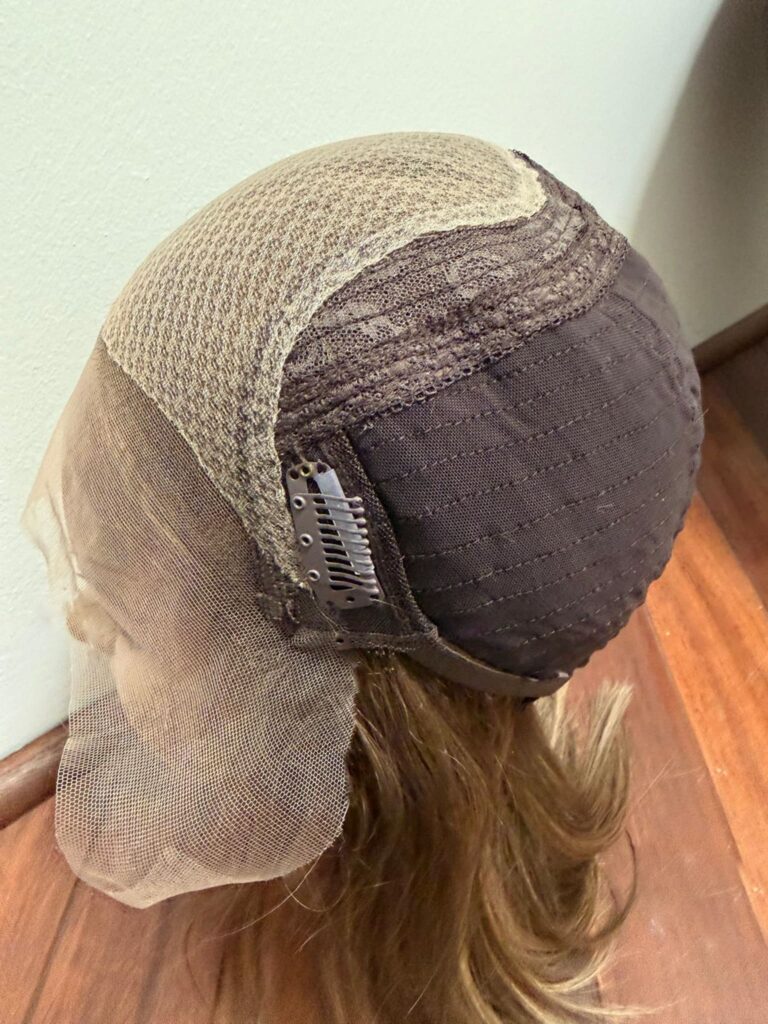
Wig Cap Types (Inside the Wig)
- Traditional / Basic Wefted Cap: Made by machine-sewing hair wefts onto strips of material.
- Capless (Open Weft) Cap: Similar to a basic cap, but with spaces between the wefts to improve airflow and keep your head cool.
- Monofilament Cap: Uses a sheer, fine mesh fabric at the top or crown where individual hairs are hand-tied. Allows for multi directional parting.
- Lace Front Cap: Features a sheer lace panel along the front hairline with hand-knotted strands, allowing for an invisible, natural hairline and off-the-face styling.
- Full Lace Cap: Made entirely of soft lace, letting you part the hair in any direction and wear high ponytails or up-dos.
- 100% Hand-Tied Cap: Every single hair is knotted by hand onto a soft, stretchy mesh base, providing maximum comfort, natural movement, and great sensitivity for tender scalps.
Now you look at a wig, you can think about all the different considerations that have taken place to create this end result. Type of hair and how the chosen type of hair will perform. How much hair is there ? Is it a natural looking low – medium density or is it a full glam looking wig? Which wig cap did the style end up with and how does it affect how the wig looks and feels in a way that suits what you’re looking for.
Which combination is going to result in the perfect wig for you? There’s a few factors to think about, including your lifestyle, climate and style preferences. Hence the need to have a chat to a wig specialist.
There’s also the consideration that Human Hair will require the most styling to achieve your end results. And let’s not forget that when looked after, human hair wigs will have a far longer lifespan than those made using synthetic fibres.
Nothing beats a beautifully made human hair wig when it comes to the most natural and realistic end result.